Algorithmic Theme Matching and Its Ties to Session Length Patterns in Handheld Progressive Prize Environments
 Algorithmic theme matching operates through data-driven systems that align game visuals, narratives, and mechanics with individual player profiles in mobile progressive prize setups, and these systems connect directly to measurable variations in session durations across handheld platforms. Developers deploy machine learning models to analyze past selections, time-of-day activity, and device interaction metrics, then serve tailored themes that range from mythology-based progressives to sports-themed reel networks. Research from the University of Nevada Reno indicates that matched themes correlate with extended engagement intervals, while mismatched recommendations often result in shorter play periods that average under eight minutes per session. Operators collect telemetry from wireless reel environments to refine these algorithms, tracking metrics such as spin velocity, bonus trigger frequency, and jackpot contribution rates. When a player demonstrates preference for high-volatility themes during evening hours, the system adjusts subsequent offerings to maintain continuity, and this adjustment process has shown consistent associations with session lengths that exceed twenty-five minutes in aggregate datasets. Handheld progressive environments amplify these effects because portable devices facilitate frequent, short-interval access that accumulates across multiple daily entries rather than single prolonged visits.
Data Patterns Across Mobile Progressive Networks
Figures compiled by iGaming Ontario reveal seasonal shifts in session length when algorithmic matching prioritizes regional cultural elements, such as incorporating local sports motifs during major events. Players in these matched scenarios maintain active connections to progressive pools for periods that average 18 percent longer than baseline measurements recorded without personalization layers. The same reports note that cross-device synchronization allows theme continuity between tablets and smartphones, reducing drop-off rates at transition points and supporting sustained jackpot accumulation cycles.
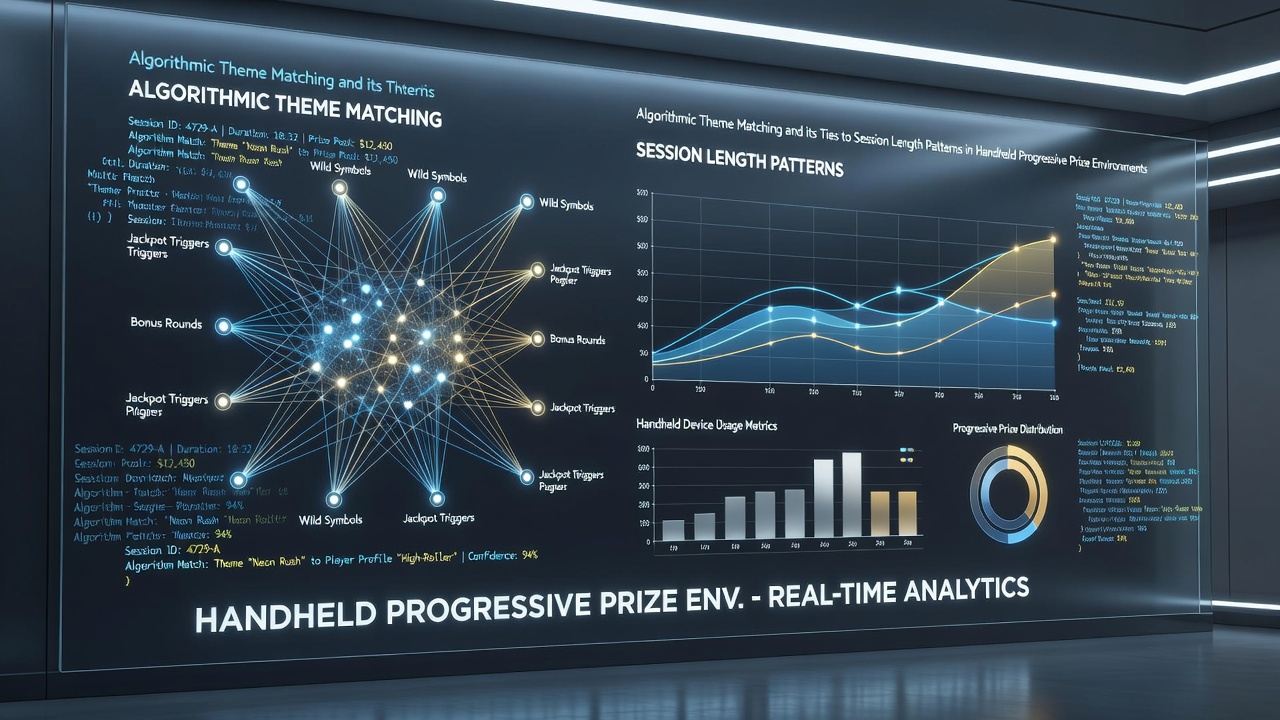
Session length distributions follow identifiable curves once theme algorithms incorporate real-time feedback loops. Short sessions under five minutes cluster around mismatched or generic recommendations, whereas calibrated sequences produce plateaus between fifteen and forty minutes where players continue contributing to shared prize tiers. These patterns hold across multiple jurisdictions, including data aggregated from Australian state regulators that document similar retention spikes following targeted theme deployments in 2025 and early 2026.Integration of June 2026 Findings
In June 2026, presentations at the Global Mobile Gaming Summit highlighted updated correlation matrices linking algorithmic precision scores to session metrics in progressive handheld titles. Analysts presented evidence that theme matching accuracy above 78 percent aligned with median session extensions of twelve additional minutes, particularly when progressive prize pools exceeded defined thresholds. These observations emerged from anonymized logs spanning North American and European operators, confirming that handheld environments exhibit steeper session length gains compared with stationary terminals under equivalent matching conditions.
Technical Mechanisms Driving the Connection
Core components include collaborative filtering engines that weigh player history against cohort behaviors, reinforcement learning modules that optimize for duration-based rewards, and feature extraction pipelines that parse visual and audio elements of each progressive title. When these layers operate in concert, they generate recommendation sequences that reduce cognitive load during initial theme selection, allowing players to enter active play faster and sustain momentum toward progressive milestones. Observers have documented fewer voluntary exits during matched sessions because the narrative continuity between consecutive games maintains engagement without requiring fresh decision points.
Progressive prize structures add another dimension because contributions from matched sessions feed larger shared pools that display escalating values on handheld interfaces. This visibility creates feedback that encourages continued participation once a session has already extended beyond the initial ten-minute mark. Data from multiple operators shows that players who receive three or more sequentially matched themes within a single login window demonstrate cumulative session lengths that reach the upper quartile of distribution curves more frequently than those exposed to random or unfiltered selections.Geographic Variations in Observed Patterns
Canadian provincial data collected through the Alcohol and Gaming Commission of Ontario demonstrates that theme matching tied to seasonal events produces measurable extensions in average session length during peak tourism months. Similar analyses conducted by state authorities in Australia indicate that cultural localization within progressive themes supports longer engagement intervals on mobile networks, particularly when jackpot announcements reference local landmarks or events. These regional datasets converge on the finding that algorithmic alignment between theme elements and player context reduces early termination events while increasing the probability that sessions reach progressive trigger thresholds.
Conclusion
Algorithmic theme matching in handheld progressive prize environments exhibits consistent statistical associations with session length distributions across multiple regulatory jurisdictions adn device ecosystems. Continued refinement of matching models, supported by telemetry from June 2026 onward, supplies operators with mechanisms to influence engagement duration while maintaining compliance with existing oversight frameworks. The documented relationships between theme calibration accuracy and sustained play intervals provide a foundation for further empirical examination of mobile progressive systems.