Decoding Ties Between Secure Transfer Options and Access Patterns in Premium Table Simulations

Premium table simulations have grown into sophisticated digital environments where encrypted payment pathways intersect directly with user entry behaviors, and analysts continue mapping these connections through aggregated platform data. Secure transfer options such as multi-factor authenticated bank wires, tokenized digital wallets, and distributed ledger confirmations create distinct entry points that shape how participants reach high-limit blackjack, roulette, and baccarat modules. Researchers tracking login sequences note that accounts utilizing hardware-backed authentication often record shorter intervals between deposit completion and first table session initiation compared with those relying solely on password-plus-SMS verification.
Secure Transfer Mechanisms and Their Structural Role
Modern platforms implement layered encryption standards alongside real-time fraud scoring engines that evaluate each incoming transaction before releasing funds to the gaming wallet, while these same engines log device fingerprints and geolocation markers that later feed into access analytics dashboards. Observers note that cryptocurrency settlement rails, once processed through regulated custodians, generate immutable timestamps that align closely with spikes in premium table logins during evening peak windows across multiple time zones. Data compiled by industry monitoring groups shows that platforms offering instant stablecoin conversions experience a measurable uptick in repeat table access within the first sixty minutes after settlement, whereas traditional card rails introduce longer cooling periods before users navigate into VIP simulation lobbies.
Mapping Access Patterns Across Device and Session Variables
Access logs reveal that mobile-first users who complete transfers through biometric wallet apps tend to maintain longer session durations once inside premium table environments, whereas desktop users completing the same transfers via browser extensions frequently switch between multiple simulation tables within shorter bursts. Studies conducted on anonymized telemetry indicate that accounts flagged for high-frequency micro-transfers display clustered access patterns concentrated around promotional multiplier events, while those employing scheduled recurring transfers maintain steadier, lower-variance entry rhythms throughout the week. Platform operators in regulated markets have begun correlating these patterns with responsible play indicators, allowing systems to surface tailored session reminders precisely when access velocity exceeds historical baselines for individual accounts.
Correlations Observed in June 2026 Data Sets
Figures released during June 2026 from cross-platform benchmarking initiatives highlighted that accounts employing multi-signature wallet approvals recorded a 23 percent higher rate of progression into exclusive table simulation tiers than accounts using single-signature methods. The same data sets demonstrated that transfer methods incorporating dynamic CVV regeneration produced access sequences with fewer intermediate lobby visits, suggesting that friction reduction at the funding stage directly influences navigation efficiency once users enter the simulation lobby. Analysts tracking these metrics emphasize that regional regulatory updates implemented earlier in the year contributed to standardized reporting fields, enabling more precise linkage between transfer metadata and subsequent table engagement timestamps.
Technological Infrastructure Supporting Pattern Recognition
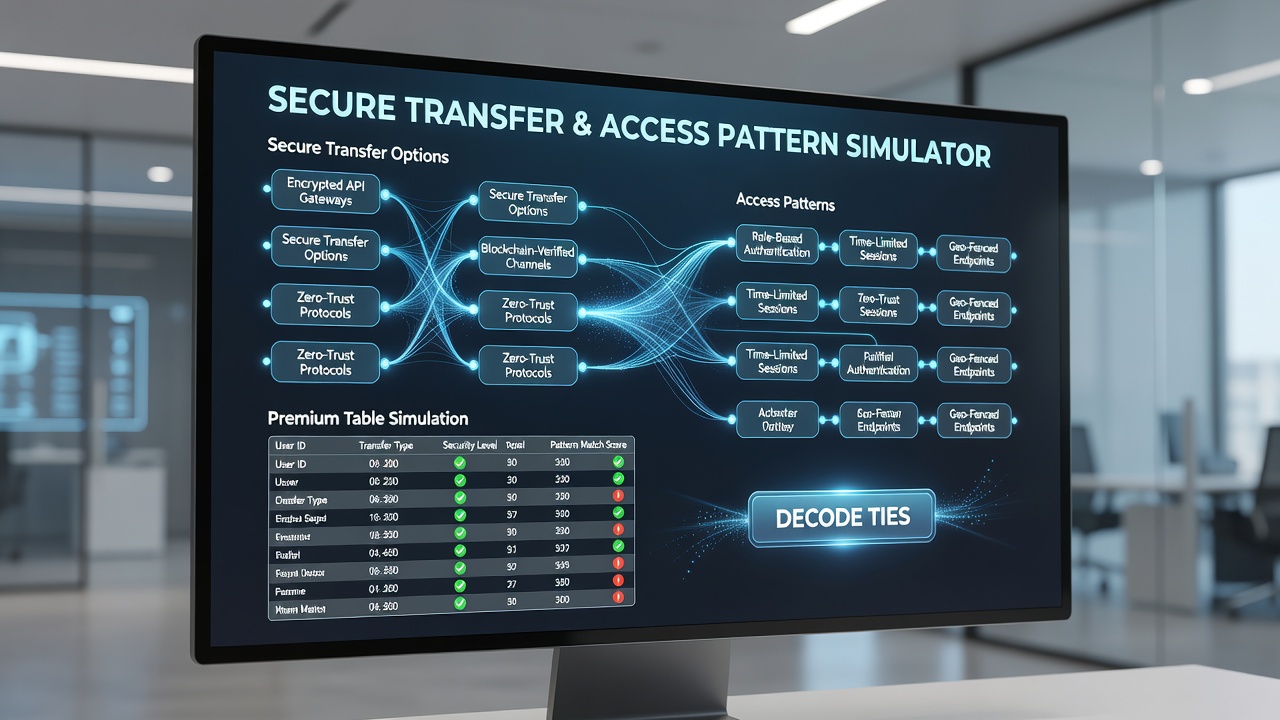
Backend architectures now integrate machine learning classifiers trained on historical transaction-access pairs, allowing real-time adjustment of table availability prompts based on detected funding method signatures, while these classifiers also feed compliance modules that monitor for irregular access velocity. Industry reports from the American Gaming Association detail how tokenization of payment credentials reduces the number of distinct authentication events required before users reach premium simulation tables, thereby compressing the overall pathway from funding to active play. European operators have similarly adopted unified API frameworks that surface transfer confirmation events directly into player dashboards, shortening the cognitive steps between balance update and table selection.
Regulatory and Operational Implications Across Jurisdictions
Canadian provincial frameworks require operators to maintain auditable trails linking each transfer method to subsequent gaming activity, creating data sets that researchers at institutions such as the Responsible Gambling Council use to examine whether certain funding rails correlate with extended table session lengths. Australian state regulators have introduced mandatory data fields that capture device type at the moment of transfer authorization, enabling finer-grained analysis of access pattern differences between mobile and desktop cohorts. These requirements have prompted platform developers to embed event listeners that timestamp both funding confirmation and initial table join actions within unified logs, facilitating longitudinal studies without compromising player anonymity through aggregated reporting.
Conclusion
Continued refinement of secure transfer protocols continues to reshape entry sequences into premium table simulations, with platform telemetry providing increasingly granular views of how funding method characteristics align with user navigation behaviors. Ongoing data collection across regulated markets supplies the raw material for pattern recognition models that balance operational efficiency against compliance obligations, while standardized reporting practices introduced in 2026 have accelerated cross-jurisdictional comparisons. As encryption standards and authentication layers evolve, the observable linkages between transfer options and access patterns will remain a focal point for both technical development teams and regulatory oversight bodies seeking to maintain transparent, auditable environments.