Exploring Algorithmic Personalization in Reward Allocation Across Wireless Gaming Networks
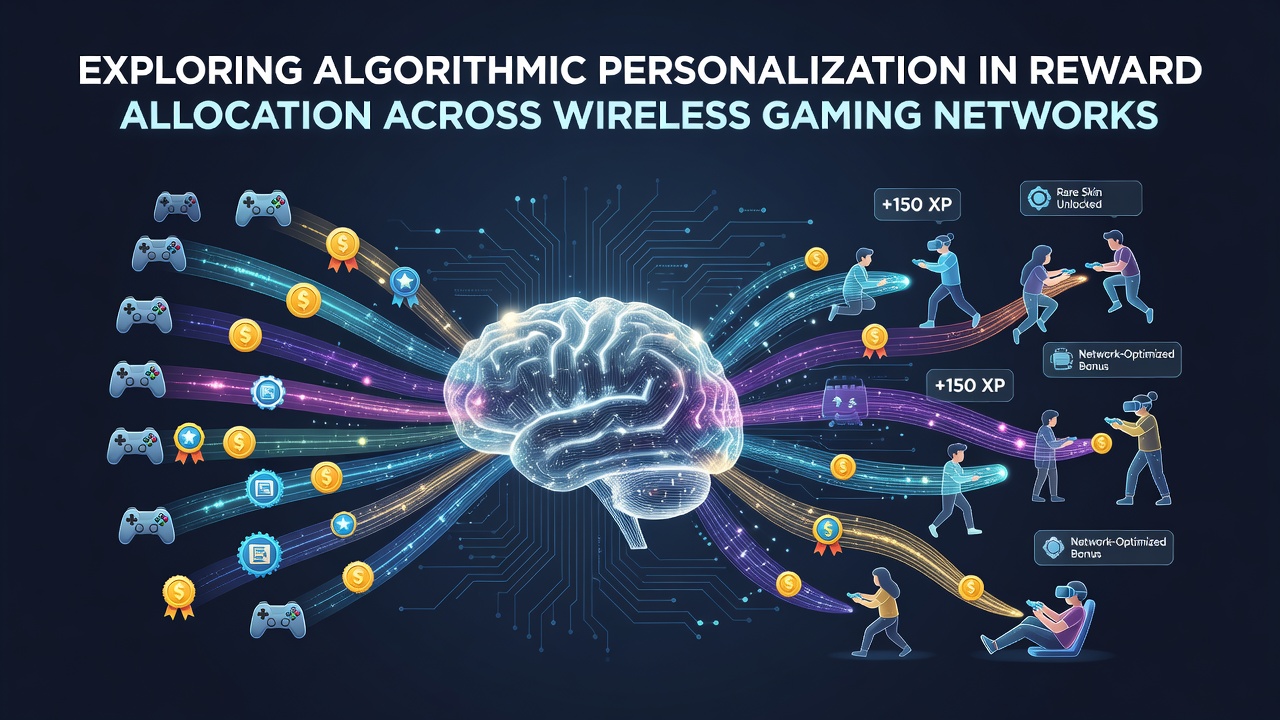
Algorithmic personalization has become central to reward allocation systems operating across wireless gaming networks, where data streams from player interactions feed into models that adjust incentives in real time. These systems draw on behavioral signals collected through mobile applications and connected devices, then apply machine learning techniques to distribute bonuses, multipliers, and loyalty credits according to individual patterns rather than uniform schedules.
Data Inputs Driving Personalization Models
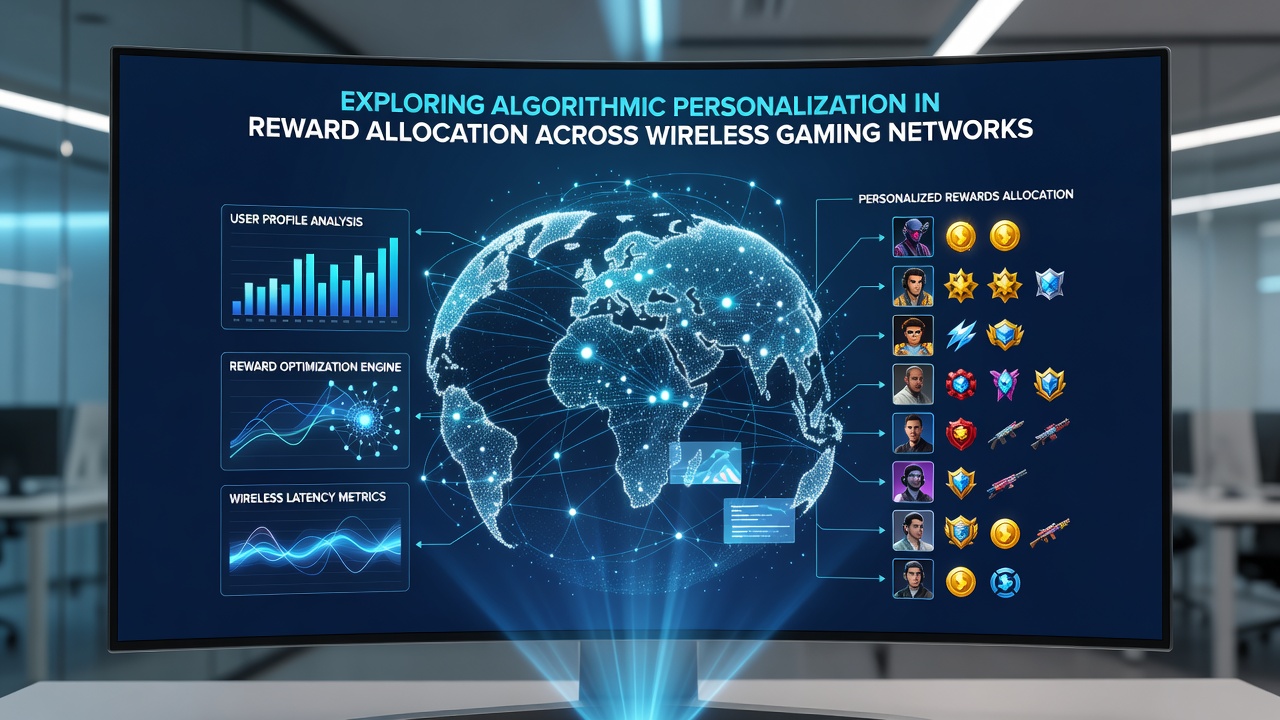
Wireless networks transmit session data including play duration, wager sizes, game selection sequences, and device connectivity metrics to centralized processing hubs, and analysts note that these inputs allow algorithms to segment users into dynamic cohorts. Research from institutions tracking mobile entertainment trends shows that variables such as time-of-day access and network latency also influence reward calibration, since players experiencing stable connections often receive different incentive structures than those on variable signals. In June 2026 operators reported expanded use of edge computing nodes that process portions of this data locally before synchronization, which reduces latency while maintaining consistency across distributed wireless environments.
Allocation Mechanisms and Machine Learning Techniques
Decision trees combined with reinforcement learning frameworks evaluate historical reward uptake rates and adjust future offers to maximize engagement metrics without exceeding operator-defined budgets. Observers point out that clustering algorithms group players who exhibit similar responses to specific reward types, enabling targeted allocation of free spins or deposit matches through wireless channels that reach devices within seconds. Studies conducted by academic groups examining digital gaming economics indicate that these models incorporate feedback loops where acceptance or rejection of an offer updates the underlying parameters for subsequent sessions, creating iterative refinement cycles that operate continuously across global network infrastructures.
One documented implementation involves neural network predictors that forecast the likelihood of continued play following a particular reward delivery, and operators integrate these forecasts into live decision engines that trigger personalized notifications during active wireless sessions. Data from industry monitoring services reveals that such approaches correlate with measurable shifts in average session length when compared against static reward schedules used in earlier network generations.
Network Infrastructure Considerations
Wireless protocols supporting low-latency data exchange enable the rapid synchronization required for personalized reward systems to function without perceptible delays, while bandwidth allocation strategies prioritize gaming traffic over other mobile services during peak periods. Engineers working with 5G and emerging 6G testbeds have documented improvements in packet delivery reliability that support finer-grained reward adjustments, particularly for players moving between cell towers or accessing networks through varying signal strengths. Regulatory filings submitted to bodies such as the Australian Communications and Media Authority outline technical standards that operators must meet when deploying algorithmic systems capable of real-time personalization across jurisdictional boundaries.
Observed Patterns in Reward Distribution
Longitudinal analyses compiled by research teams at universities studying interactive media consumption show distinct clusters where high-frequency players receive proportionally larger shares of progressive reward pools compared with occasional participants, yet the exact weighting formulas remain proprietary. Reports from the Nevada Gaming Control Board covering early 2026 activity note increased reporting requirements around transparency of algorithmic criteria, prompting operators to publish aggregate statistics on reward allocation fairness without disclosing individual model parameters. These disclosures indicate that personalization engines now factor in cross-device continuity, allowing rewards earned on one wireless endpoint to transfer seamlessly to another during the same user journey.
Case examples from network operators deploying such systems illustrate how geo-fenced wireless zones near major venues trigger location-specific multipliers that complement broader algorithmic outputs, and technicians confirm these hybrid approaches maintain consistency even when players transition between indoor and outdoor network coverage areas.
Conclusion
Algorithmic personalization continues to shape reward allocation practices throughout wireless gaming networks by leveraging continuous data flows and adaptive models that respond to individual usage signatures. Infrastructure advancements scheduled for broader rollout after June 2026 are expected to further tighten integration between network performance metrics and reward engines, while regulatory frameworks in multiple regions evolve to address disclosure standards around these automated processes. Observers tracking these developments report steady expansion of similar techniques across additional wireless entertainment verticals as the underlying technologies mature.