How Algorithmic Sequencing Aligns Deposit Flows with Layered Multiplier Triggers Across Portable Entertainment Grids
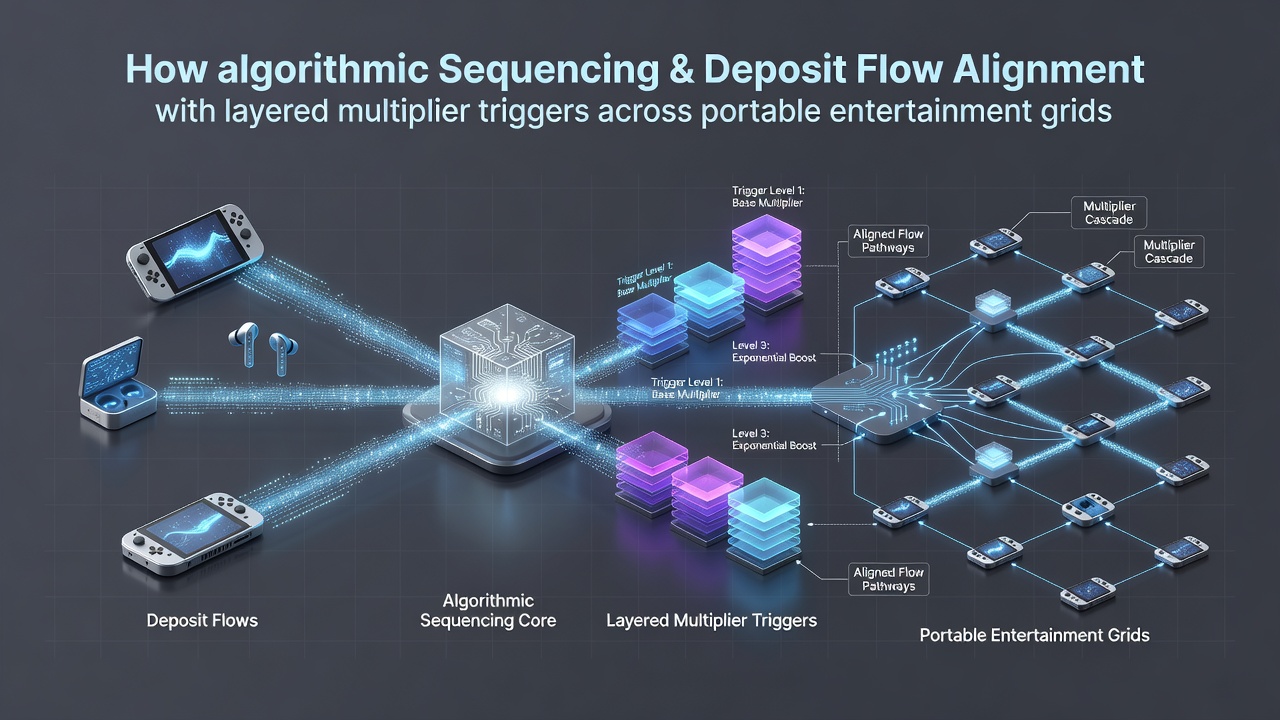
In mobile casino platforms, algorithmic sequencing manages the timing and structure of deposit flows to match them with layered multiplier triggers that activate bonus features across wireless networks, and this process relies on data-driven rules that process transaction inputs while they coordinate reward outputs in real time.
Developers design these systems to handle deposits from various funding sources such as bank transfers, digital wallets, and prepaid cards, yet the core mechanism involves sequencing algorithms that evaluate deposit amounts, frequency, and user history before they release multiplier events. Observers note that such alignment prevents random bonus distribution and instead creates structured pathways where each deposit layer contributes to progressive multipliers in slot reels or live dealer rounds.
Core Components of Deposit Flow Management
Portable entertainment grids operate through centralized servers that receive deposit signals from user devices, and these signals pass through validation modules before they enter sequencing engines. The engines apply conditional logic that sorts deposits by size and timing, which then determines eligibility for initial multipliers or stacked bonus layers. Research indicates that this sorting reduces processing latency to under three seconds in most commercial applications while it maintains compliance with regional transaction limits.
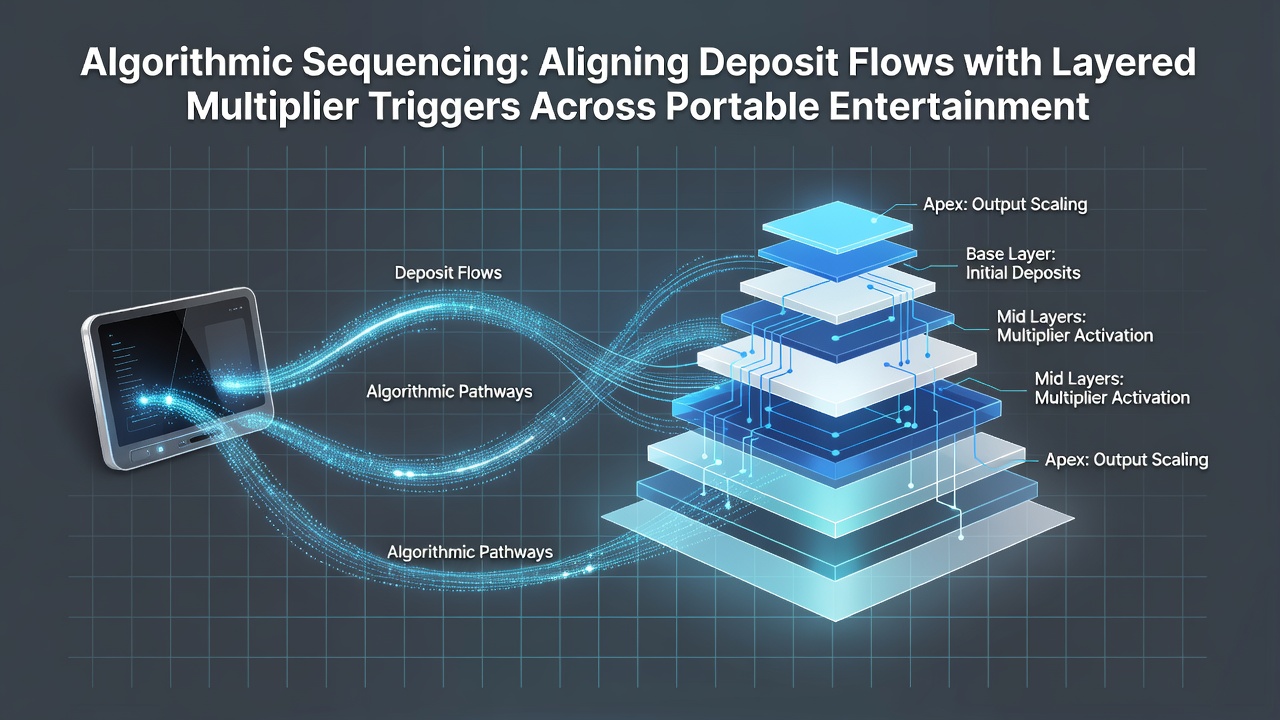
Layered triggers function as conditional gates, so a first deposit might unlock a base multiplier of 1.5x on qualifying spins, whereas subsequent deposits within a defined window activate higher layers such as 2.5x or 3x rewards. Data from industry platforms shows these layers accumulate based on cumulative deposit volume rather than isolated transactions, which creates a compounding effect across mobile sessions.
Algorithmic Sequencing Mechanics
Sequencing algorithms employ decision trees combined with real-time data streams to align deposit events with multiplier activation points, and they adjust parameters dynamically according to network load and user segmentation. Those who have examined these systems find that machine learning components predict optimal trigger thresholds by analyzing historical deposit patterns, which allows the grid to preemptively allocate multiplier resources without overextending server capacity.
According to figures from the American Gaming Association, mobile transaction volumes in regulated markets grew steadily through mid-2026, and this growth prompted refinements in sequencing logic to handle peak loads during evening hours. The refinements include batching smaller deposits into single sequenced blocks that feed into multiplier queues, thereby smoothing out reward distribution across thousands of concurrent sessions.
Integration with Portable Network Infrastructure
Wireless casino environments require low-latency connections between deposit processors and game servers, so algorithmic sequencing incorporates edge computing nodes that perform preliminary matching before full synchronization occurs. This setup ensures that multiplier triggers respond instantly even when users switch between cellular and Wi-Fi networks. As of July 2026, several major platforms reported deployment of updated sequencing protocols that reduced trigger latency by approximately 18 percent compared with earlier versions.
Examples from operational networks illustrate how a user depositing funds via a mobile app triggers an initial multiplier that applies to the next ten spins, while a follow-up deposit within thirty minutes layers an additional multiplier on top of existing bonuses. The sequencing engine tracks these layers through unique session identifiers that persist across device reconnections.
Data Patterns and System Performance
Performance metrics collected from large-scale deployments reveal that effective sequencing correlates deposit velocity with multiplier depth, and platforms that implement adaptive sequencing achieve higher retention rates during promotional periods. Reports from the Ontario Lottery and Gaming Corporation highlight similar patterns in provincial iGaming data, where sequenced deposit flows contributed to measurable increases in average session duration without corresponding rises in dispute rates.
Engineers refine these algorithms through iterative testing that simulates varied deposit scenarios, which helps identify edge cases where triggers might misalign with user expectations. The testing process incorporates feedback loops that adjust weighting factors for different funding methods, ensuring consistent multiplier delivery regardless of whether deposits arrive via credit card or cryptocurrency channels.
Conclusion
Algorithmic sequencing continues to evolve as a foundational element in mobile entertainment grids, aligning deposit flows with layered multiplier triggers through precise timing and conditional logic. Ongoing refinements driven by transaction volume data and network performance metrics support stable operations across expanding user bases. These systems maintain structured reward pathways while they adapt to changing regulatory and technical requirements in the sector.