How Diverse Funding Channels Accelerate Advancement Through Loyalty Levels in App-Driven Slot and Dealer Experiences
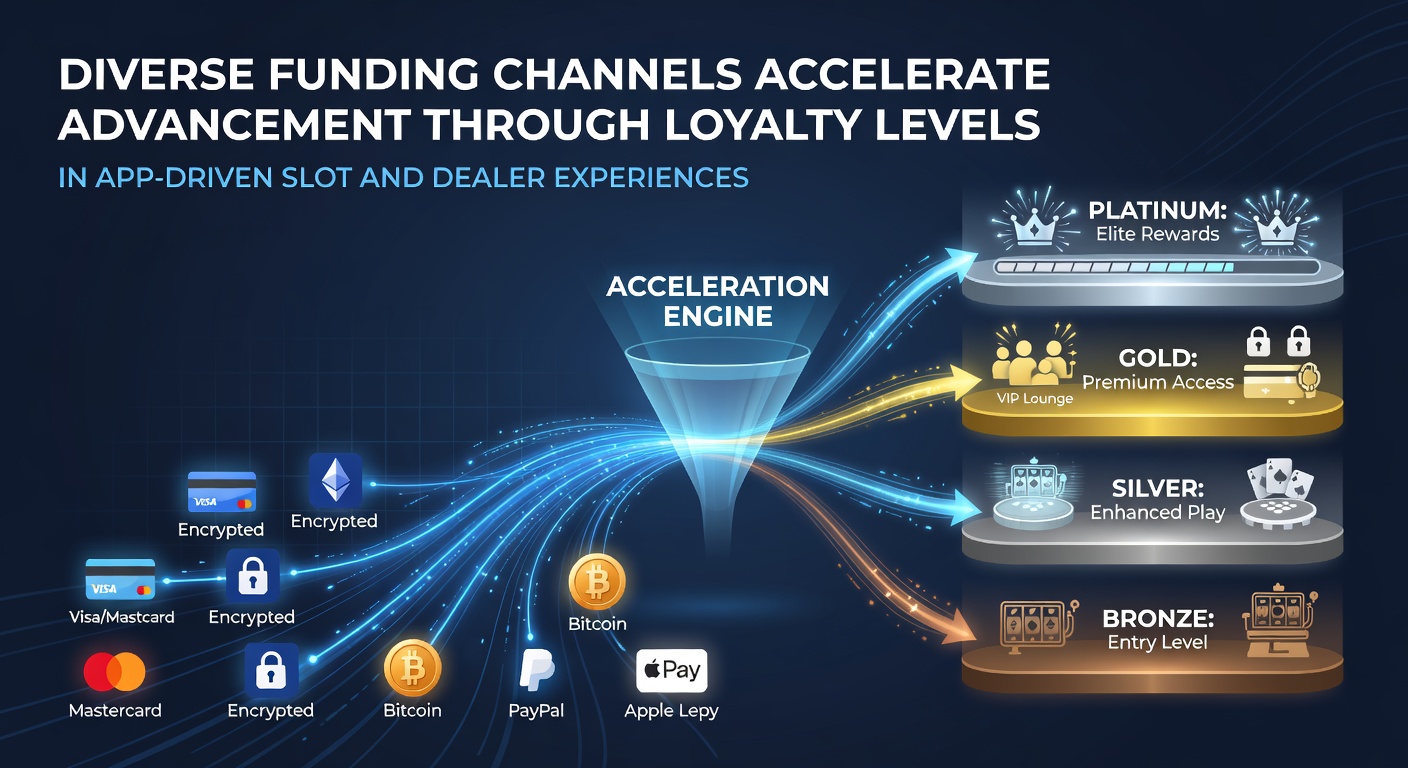
App-driven platforms for slots and live dealer tables have integrated multiple funding methods over recent years, and data shows these options directly influence how quickly users move through loyalty tiers. Payment variety includes traditional cards alongside digital wallets, bank transfers, and cryptocurrency solutions, each designed to reduce friction during deposits. Observers note that seamless transactions encourage repeated play sessions, which in turn generate the activity metrics required for tier advancement.
Payment Variety and Loyalty Mechanics
Operators structure loyalty programs around points earned from wagers, time spent in games, and deposit frequency, while diverse funding channels support these metrics by enabling quicker and more reliable top-ups. Research from the Australian Gambling Research Centre indicates that platforms offering instant e-wallet options see higher session continuity compared to those limited to slower methods. Users who access multiple channels complete deposits without leaving the app interface, maintaining momentum toward the next loyalty level.
Slots and dealer experiences track progress through automated systems that reward consistent engagement, and funding flexibility plays a supporting role by minimizing delays between plays. In May 2026 reports from North American operators, average time to reach mid-tier status dropped when apps added cryptocurrency transfers alongside card payments. The combined effect appears in aggregated user data where deposit speed correlates with point accumulation rates.
Regional Data on Funding Impact
Canadian provincial regulators have documented similar patterns in mobile gaming reports, where diversified payment access aligns with faster progression through reward brackets. Players utilizing bank-integrated apps complete verification steps once and then move funds repeatedly without additional hurdles. This setup reduces interruptions that might otherwise stall loyalty advancement during live dealer sessions or extended slot sequences.
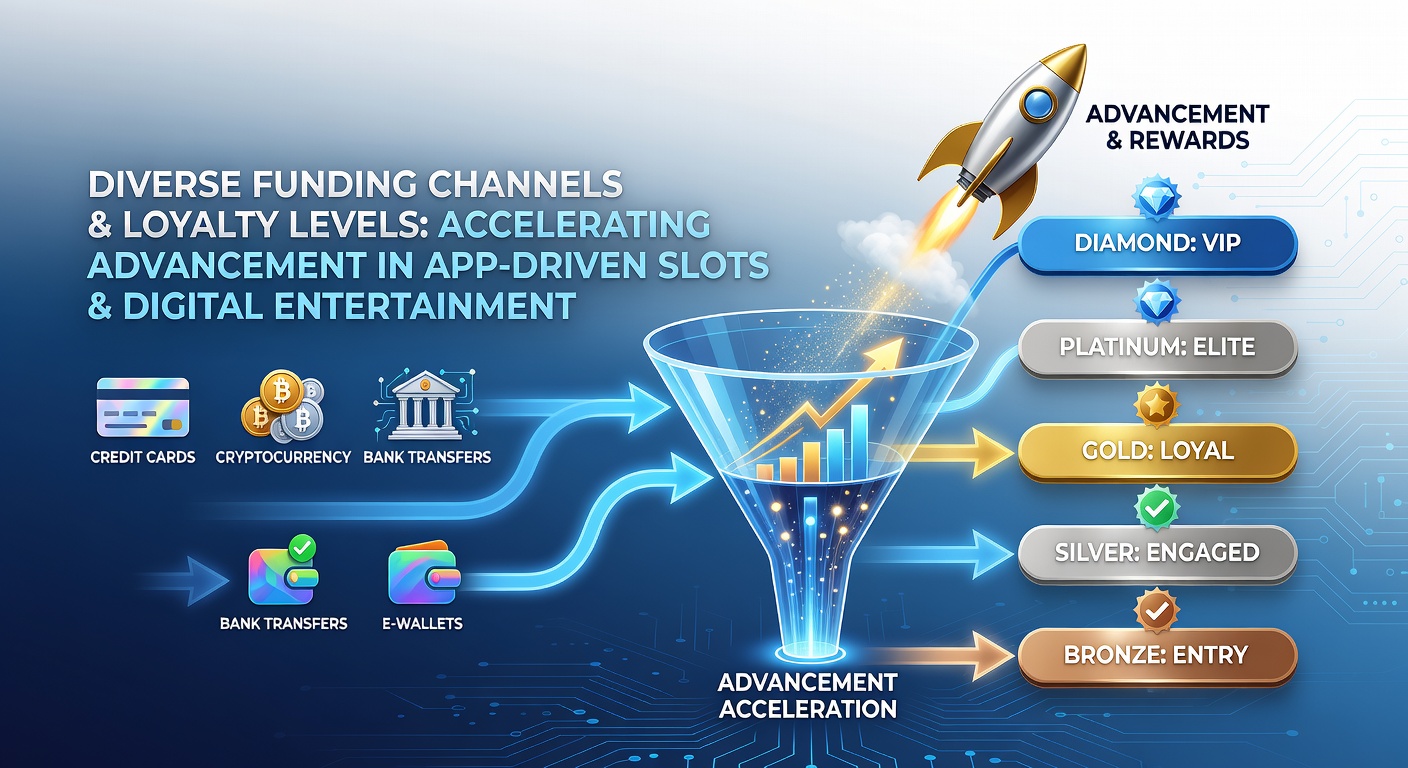
European industry analyses from the same period highlight that apps supporting both fiat and digital asset options record elevated daily active metrics among loyalty program participants. Those who switch between funding sources adapt their deposit patterns to match promotional windows or game-specific bonuses, accelerating the collection of tier-specific rewards. Figures from regulatory summaries show measurable differences in advancement timelines when funding diversity increases.
Technical Integration and User Flow
App developers embed secure gateways for each funding type directly into the game lobby, allowing switches between methods without exiting active sessions. Live dealer tables maintain continuous streams while background processes handle deposits, preserving the flow that contributes to loyalty point totals. Slot interfaces similarly display real-time balance updates after instant transfers, keeping engagement high across multiple spins or rounds.
Security protocols for varied channels rely on standardized encryption and multi-factor checks, yet these layers do not extend processing times when systems are optimized. Operators report that streamlined verification for returning users further supports repeated funding actions essential for tier climbing. Data collected across platforms in 2026 demonstrates that reduced friction in funding correlates with sustained activity levels required for higher loyalty brackets.
Examples from Operational Platforms
One documented case involves an app that introduced Apple Pay alongside existing card options, after which mid-level loyalty advancement rates increased within monitored user cohorts. Another platform added cryptocurrency support in early 2026, and subsequent analytics revealed shorter intervals between tier upgrades for participants using the new method. These shifts occur because alternative channels accommodate different user preferences for speed and privacy during deposit sequences.
Industry reports from bodies such as the Nevada Gaming Control Board track aggregate performance across licensed apps, noting that funding diversity contributes to measurable engagement stability. Users who maintain access to multiple methods avoid pauses that could interrupt point-earning cycles in both slot and dealer formats. The resulting data sets show consistent patterns across regions where regulatory frameworks permit expanded payment integrations.
Conclusion
Diverse funding channels support loyalty advancement by facilitating uninterrupted deposits and extended play periods in app-based slot and dealer environments. Available records from regulatory and research sources confirm that payment flexibility aligns with faster accumulation of required activity metrics. Platforms continue to refine these integrations as user patterns evolve, with ongoing data collection providing further insight into the relationship between funding options and tier progression.