How Server Architecture Choices Influence Outcome Verification Protocols in Digital Reel Simulations
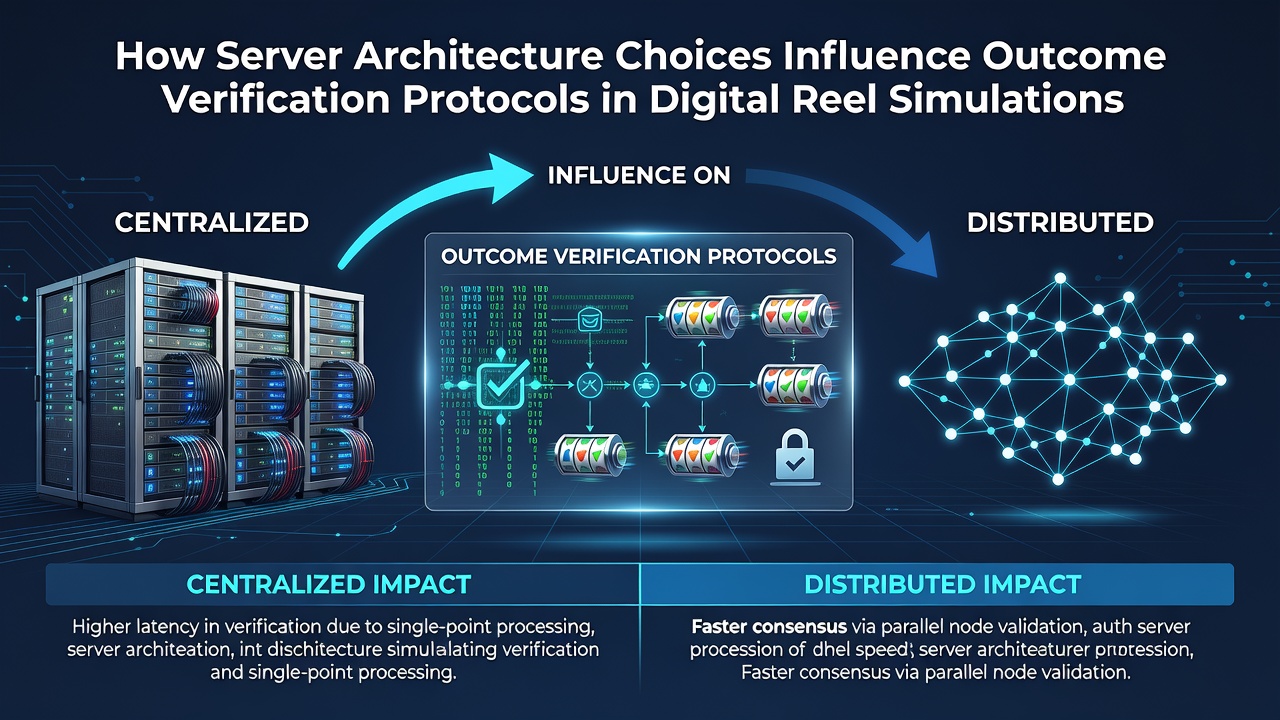 Server architecture decisions shape the way outcome verification protocols operate in digital reel simulations, where random number generators produce results for slot-style games and similar reel-based experiences. Centralized server models route all random number generation and result logging through a single primary node, which then handles verification by cross-checking hashes against stored seeds, whereas distributed architectures spread these tasks across multiple interconnected servers that perform parallel checks before finalizing outcomes. Data centers supporting these systems often employ load balancers that direct verification requests based on current traffic, allowing protocols to maintain consistency even when reel simulations run at high volumes. Research from gaming technology institutes shows that such configurations reduce latency in hash verification steps by routing tasks to the nearest available node, which proves especially relevant during peak operational periods in June 2026 when industry events highlighted upgrades to multi-region server clusters.
Centralized Versus Distributed Server Models
Centralized setups concentrate both the random number generation and the subsequent verification logs on one main server cluster, creating a single point where auditors can review entire sequences of reel outcomes in one location. This approach simplifies compliance checks because regulators access a unified database containing every generated result alongside its verification timestamp, yet it also creates bottlenecks when multiple verification requests arrive simultaneously during live reel simulations.
Distributed models divide the workload so that separate servers handle portions of the random number sequence generation while others manage independent verification protocols, often using consensus algorithms to confirm that each reel outcome matches its expected hash value. Observers note that this division allows systems to continue verification processes even if one server experiences downtime, since neighboring nodes retain copies of the necessary seed data and can complete the checks without interruption.Impact on Random Number Generator Verification
Outcome verification protocols rely on cryptographic hashes derived from random number generator seeds, and server architecture directly determines how quickly and reliably these hashes can be recomputed and compared. In cloud-based architectures, verification tasks scale automatically by spinning up additional virtual instances that each process subsets of reel simulation results, which data from industry reports indicates supports verification rates exceeding 10,000 checks per second during sustained operations.
On-premises server arrangements instead maintain fixed hardware resources dedicated to both generation and verification, requiring manual capacity planning to ensure protocols keep pace with reel simulation demand. Those managing such systems frequently implement scheduled audits where verification protocols run batch comparisons across stored outcome logs, a method that maintains accuracy but demands careful synchronization between generation servers and verification servers to prevent mismatches.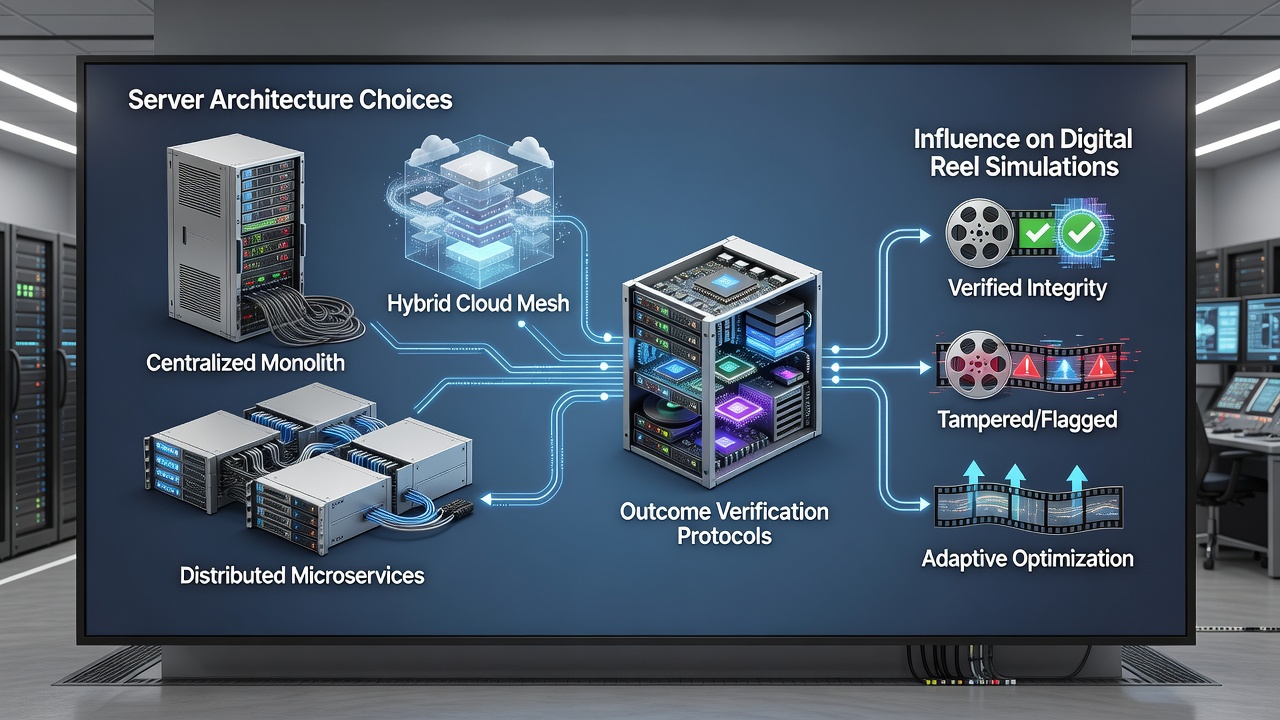
Latency and Real-Time Verification Considerations
Real-time verification protocols must complete hash checks within milliseconds of each reel outcome generation to support uninterrupted gameplay. Distributed server architectures reduce this latency by positioning verification nodes closer to the source of random number requests, allowing parallel processing that completes confirmation steps before the next reel simulation cycle begins. Studies conducted by technical research groups found that such proximity-based verification cuts average confirmation times by up to 40 percent compared with centralized models that route every check through a distant primary server.
Hybrid architectures combine elements of both approaches, using edge servers for initial verification while maintaining a central repository for long-term audit trails. This setup enables immediate outcome confirmation during active reel simulations while still providing regulators with a consolidated record they can examine at scheduled intervals, a balance that several gaming technology providers adopted ahead of the June 2026 conferences discussing infrastructure scalability.Security Protocols and Data Integrity
Server architecture choices also determine how encryption layers protect outcome verification data during transmission between generation nodes and verification nodes. Distributed systems often implement end-to-end encryption on each inter-node communication path, ensuring that reel simulation results cannot be altered without detection during the verification process. Centralized systems instead rely on perimeter security around the main server cluster, with verification protocols running inside that protected environment before any external access occurs.
Regulatory frameworks from bodies such as the Pennsylvania Gaming Control Board require documented verification trails regardless of architecture, and operators must demonstrate that their chosen server configuration preserves data integrity throughout the reel simulation lifecycle. Industry associations have published guidelines outlining minimum encryption standards that apply equally to centralized and distributed deployments, emphasizing consistent application of verification protocols across all server types.Scalability During High-Volume Periods
Digital reel simulations experience fluctuating demand that server architectures must accommodate without compromising verification accuracy. Cloud-native designs allow verification protocols to expand across additional instances automatically when reel simulation traffic increases, maintaining consistent hash check performance even as concurrent users rise. Fixed on-premises setups require pre-planned hardware additions to achieve similar scalability, which can delay implementation during unexpected surges in activity.
Operators who examined performance metrics around the June 2026 timeframe reported that distributed verification handled increased reel simulation volumes more fluidly, since each node processed only its assigned segment of outcome checks rather than queuing everything through a single bottleneck. This distribution pattern supports continuous verification without extending the time between reel outcome generation and confirmation.Conclusion
Server architecture selections determine the speed, reliability, and scalability of outcome verification protocols in digital reel simulations through their influence on data routing, processing distribution, and security implementation. Centralized models offer streamlined audit access while distributed and hybrid configurations provide resilience and reduced latency during verification steps. As reel simulation platforms continue operating under regulatory requirements, the alignment between server architecture and verification protocols remains essential for maintaining consistent outcome integrity across all generated results.