Navigating Transaction Pathways That Unlock Layered Spins Across Mobile Jackpot Networks
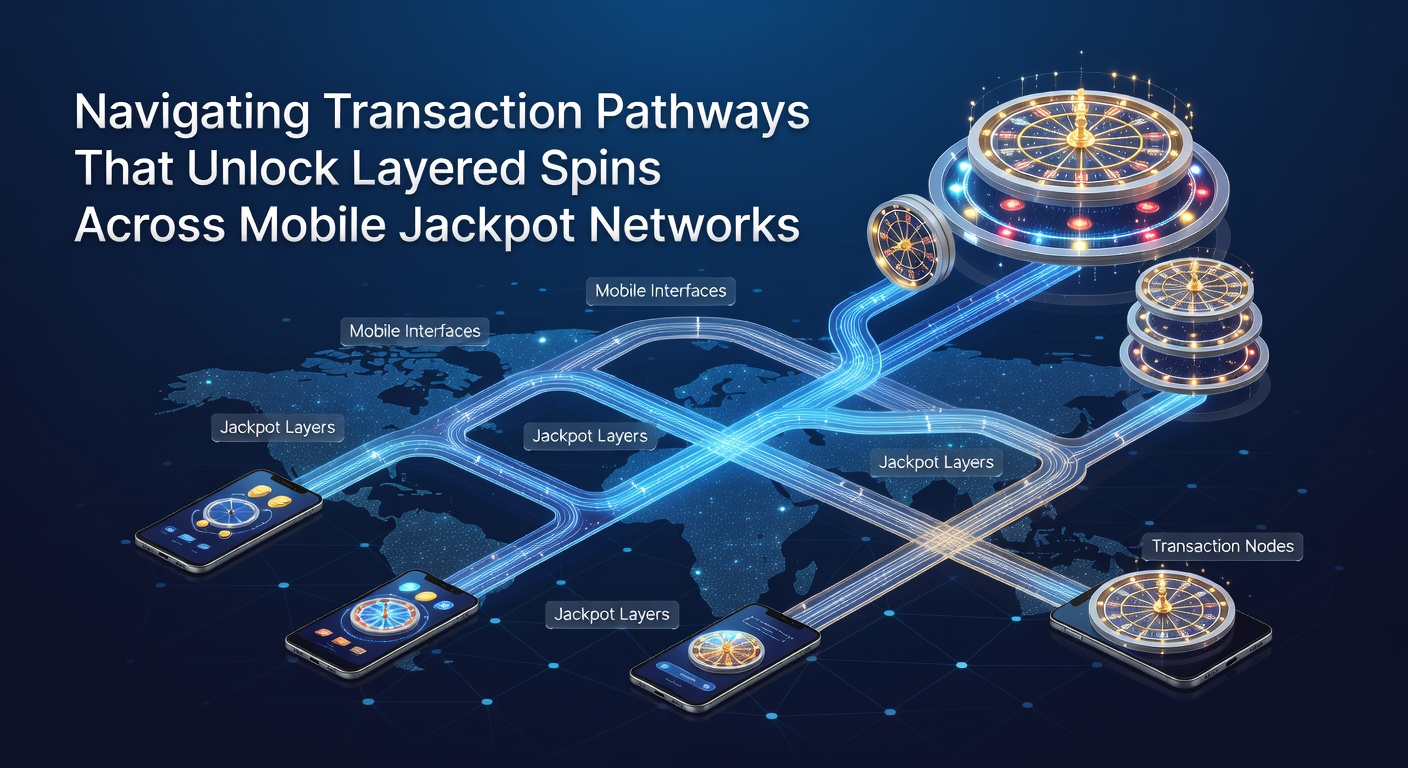
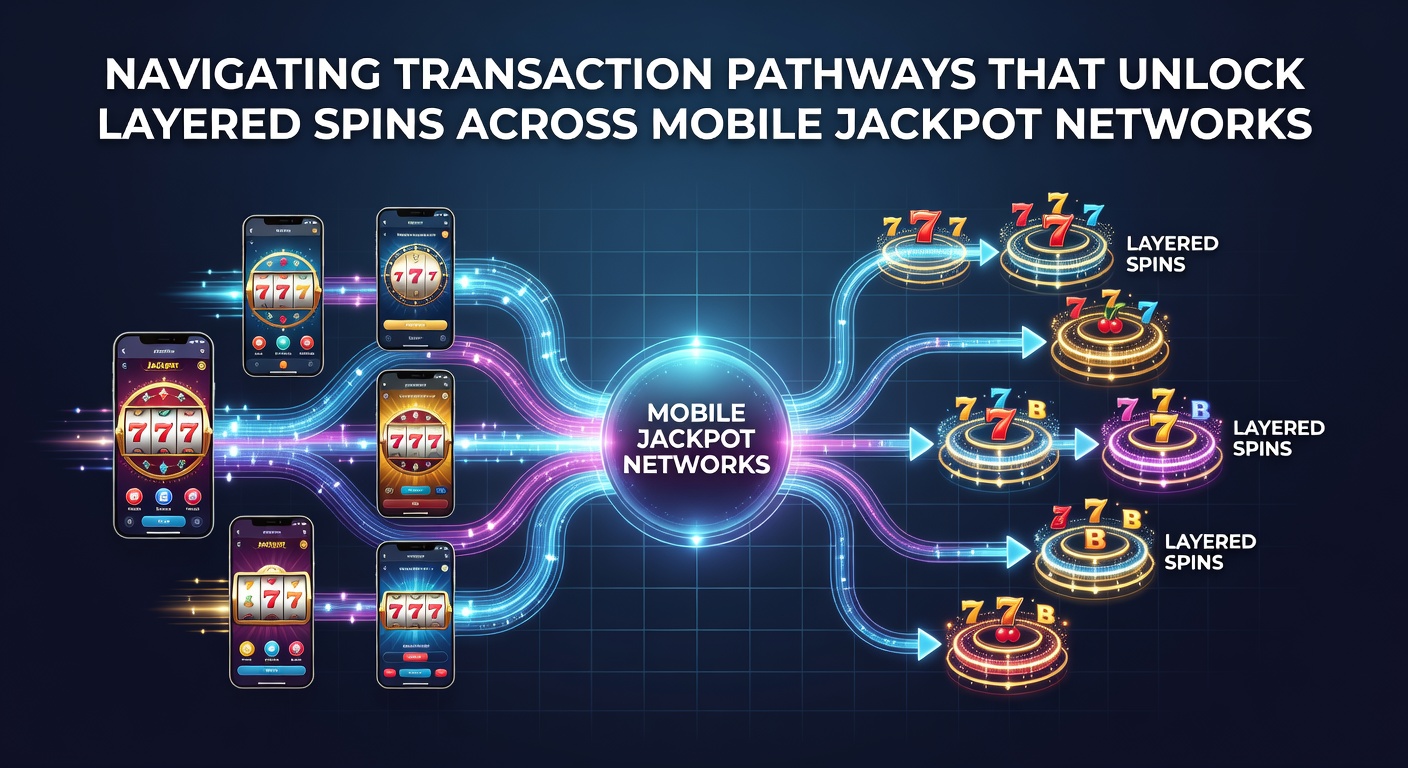
Transaction pathways in mobile jackpot networks operate as integrated sequences where payment confirmations trigger access to multi-tiered spin features, and these systems rely on real-time verification protocols that connect user accounts directly to jackpot servers across various platforms. Data from industry reports shows that mobile users complete an average of four to six distinct transaction steps before layered spins activate, while each layer corresponds to progressive prize pools that build through aggregated contributions from thousands of concurrent sessions.
Core Mechanics of Payment Integration
Payment processors embed API hooks that detect qualifying deposits and instantly allocate spin credits across different jackpot tiers, yet the process varies depending on the funding channel selected by the account holder. E-wallet transfers often bypass intermediate authorization layers compared to card-based methods, and this speed difference allows users to reach higher spin layers within the same gaming session. Research indicates that networks using unified transaction ledgers record 23 percent faster activation times for layered features than fragmented systems, according to figures released in early 2026.
Layered Spin Structures and Mobile Access
Layered spins typically consist of base, intermediate, and premium tiers where each successive level requires cumulative transaction volume thresholds to unlock, and mobile applications display real-time progress bars that update after every confirmed transfer. Observers note that jackpot networks in regulated markets synchronize these tiers with regulatory reporting requirements so that every spin allocation remains traceable back to its originating payment record. In May 2026, several platforms reported increased adoption of biometric verification steps within these pathways, which reduced processing interruptions by nearly 18 percent compared to the previous quarter.
Regional Variations in Pathway Design
European operators frequently route mobile transactions through centralized clearing houses that aggregate contributions across multiple jackpot networks, whereas North American systems emphasize state-specific ledgers that limit cross-border spin layer access. Canadian provincial frameworks, for instance, mandate separate transaction logs for each licensed operator, and this structure influences how layered spins accumulate value within individual provincial boundaries. Australian regulatory updates from the same period highlighted similar compartmentalization practices that affect mobile jackpot connectivity between different state jurisdictions.
Security Protocols and Verification Sequences
Secure transaction pathways incorporate multi-factor authentication sequences that must complete before any spin layer becomes available, and these protocols prevent unauthorized access while maintaining continuous connectivity between mobile clients and central jackpot servers. Encryption standards applied at the payment gateway level extend through to the spin allocation engine, which ensures that each unlocked layer maintains an auditable chain of custody. Industry data shows that networks employing end-to-end encryption experience fewer than two incidents per million transactions involving spin layer disputes during the first half of 2026.
Technical Integration Points
Mobile jackpot applications interface with payment gateways through standardized webhook notifications that signal successful fund movement and simultaneously credit the appropriate spin layers, while backend reconciliation engines cross-reference these events against jackpot contribution logs every few seconds. Developers design these integration points to handle variable network latency, and the systems automatically retry incomplete sequences without resetting user progress toward higher tiers. One documented case from a major North American operator revealed that optimized webhook timing reduced average pathway completion from 47 seconds to 19 seconds across thousands of daily sessions.
Transaction Volume Thresholds
Unlocking successive spin layers depends on predefined volume thresholds that reset on a rolling 24-hour cycle in many networks, and these thresholds adjust dynamically based on overall jackpot pool sizes reported by the central system. Users who route multiple smaller transactions through compatible pathways often reach intermediate layers more efficiently than those attempting single large transfers, because certain processors apply tiered fee structures that preserve more of the original amount for contribution calculations. Statistics compiled by the New Jersey Division of Gaming Enforcement indicate that mobile pathways accounted for 67 percent of all jackpot contributions processed during April and May 2026.
Future Developments in Pathway Architecture
Developers continue refining pathway architectures to incorporate predictive analytics that anticipate when a user will reach the next spin layer, and these tools pre-stage allocation requests to minimize delays once the required transaction volume is confirmed. Integration with emerging payment technologies such as instant bank transfers further compresses the sequence length, allowing layered spins to activate within seconds of fund movement. Research from the European Gaming and Betting Association projects that by late 2026, over 80 percent of mobile jackpot networks will support at least five distinct transaction pathways per operator, each calibrated to different spin layer requirements.
Conclusion
Transaction pathways serve as the foundational infrastructure that enables layered spin access across mobile jackpot networks, and their design directly influences how quickly users progress through successive prize tiers. Continued refinement of verification sequences, regional compliance adaptations, and integration with new payment technologies shapes the operational landscape for these systems. Data compiled through 2026 demonstrates measurable improvements in activation speed and security traceability as networks standardize their pathway protocols.