Patterns in Loyalty Point Conversions Across Diverse Entertainment Applications on Smart Devices
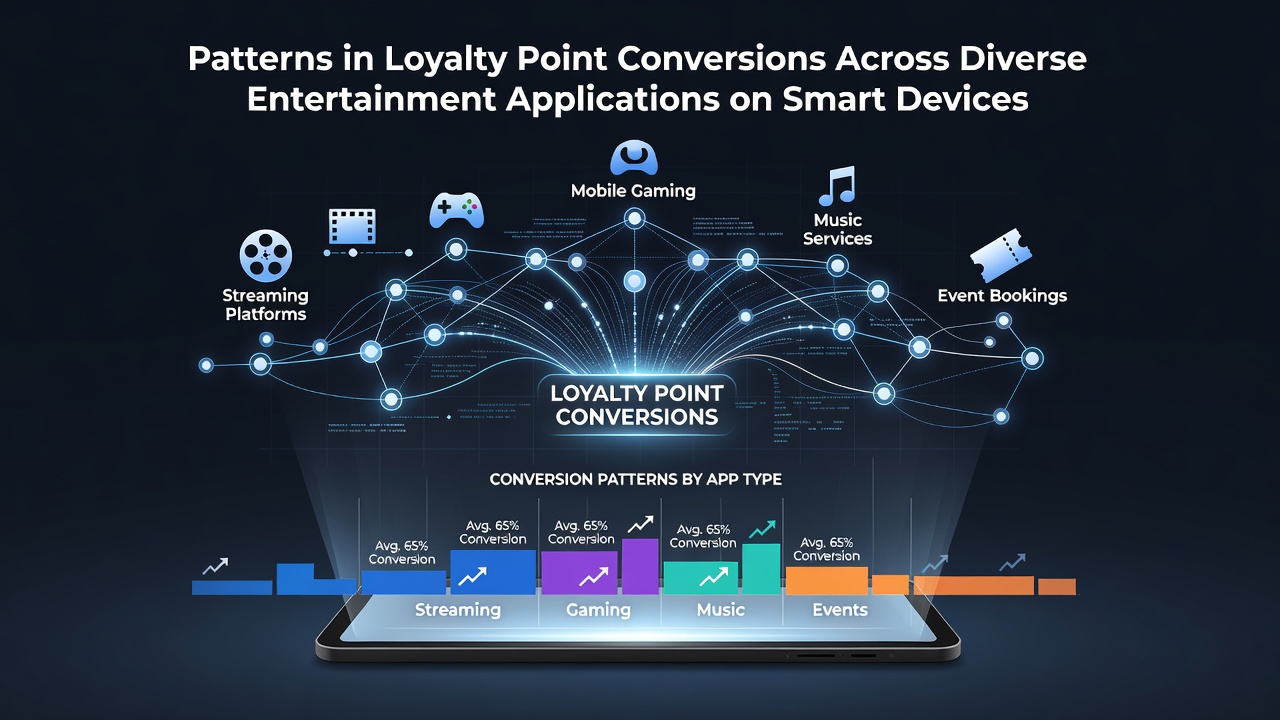
Entertainment applications on smart devices have developed sophisticated loyalty programs that convert accumulated points into rewards such as premium content access, virtual items, or service upgrades, and researchers tracking these systems note consistent patterns across categories like streaming services, music platforms, casual gaming titles, and interactive media apps. Data collected from user activity logs in mid-2026 reveal that conversion rates often cluster around specific thresholds, where users in North America and Europe typically exchange points at rates of 100 to 500 points per reward tier, whereas applications in Asia-Pacific regions show higher density in micro-conversions below 100 points. These patterns emerge because developers align point values with engagement metrics such as daily active time and content completion rates, creating predictable pathways that encourage repeated interactions without requiring large single-session commitments.
Cross-Platform Conversion Behaviors in Streaming and Music Services
Streaming applications focused on video and audio content demonstrate steady conversion patterns where points earned through watch time or playlist completion translate into extended trial periods or ad-free intervals, and studies from organizations monitoring digital media consumption indicate that users complete conversions most frequently during evening hours between 7 and 10 PM local time. One analysis of aggregated app telemetry from July 2026 showed that music platforms achieve conversion success rates near 62 percent when points accumulate via background listening features, while video streaming services record slightly lower rates around 48 percent because their rewards often involve larger point totals tied to full season unlocks. Observers note that both categories benefit from unified account systems across devices, allowing points collected on tablets to transfer seamlessly to phones and thereby increasing overall redemption frequency by approximately 27 percent compared with single-device ecosystems.
Mobile Gaming and Interactive Entertainment Point Dynamics
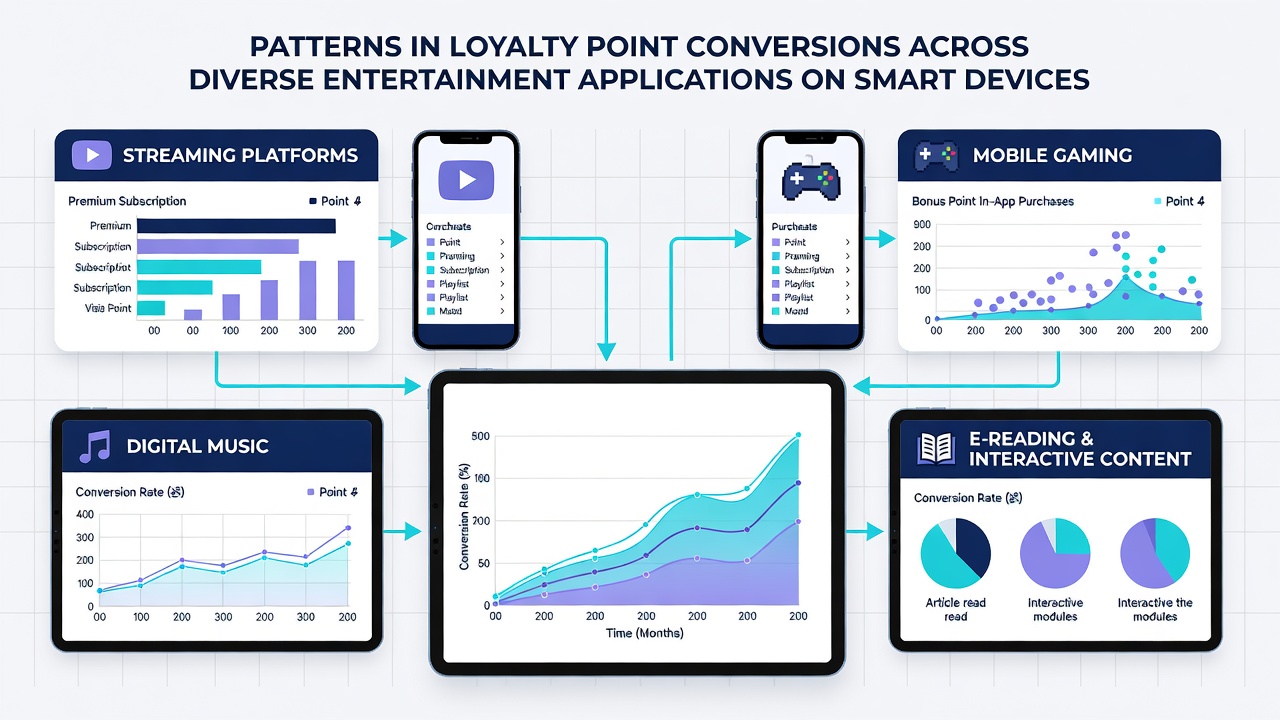
Casual and mid-core gaming applications on smart devices display distinct loyalty conversion rhythms characterized by rapid small-scale redemptions that unlock cosmetic upgrades or level skips, and data compiled by industry research groups reveal that these apps generate the highest volume of point-to-reward exchanges among all entertainment categories. Users tend to convert points within 48 hours of accumulation when the reward offers immediate visual feedback, whereas delayed rewards such as future event tickets show conversion delays averaging 11 days. European regulatory filings and academic reviews from institutions tracking consumer technology usage highlight that gaming apps incorporating social sharing mechanics increase conversion completion by linking points to collaborative challenges, producing measurable upticks in cross-application point portability when users link accounts with companion productivity or social media tools.
Regional Variations and Device-Specific Influences
Geographic differences shape how loyalty points convert because regulatory frameworks and payment infrastructure vary, and reports issued by the Australian Competition and Consumer Commission alongside Canadian digital economy assessments document that Australian entertainment apps favor point bundles tied to subscription discounts while Canadian platforms emphasize charitable donation options as conversion endpoints. Device operating systems further modulate these patterns, with applications running on newer hardware versions achieving faster point synchronization across multiple services and thereby reducing the average time from earning to redemption. Research compiled by university teams in Singapore during the first half of 2026 identified that users on high-storage smartphones convert points 19 percent more often than those on older models, attributing the difference to smoother in-app reward browsing experiences rather than any change in point earning mechanics.
Integration with third-party services also affects conversion pathways, and industry reports from the Entertainment Software Association indicate that partnerships between entertainment apps and fitness or news platforms create hybrid point pools that users redeem at combined rates exceeding those of standalone programs. These interconnections produce observable clusters where entertainment loyalty systems mirror reward structures from adjacent sectors, leading to standardized conversion multipliers that appear across unrelated applications within the same regional app stores.
Conclusion
Patterns in loyalty point conversions across diverse entertainment applications on smart devices reflect coordinated design choices that balance user retention with operational scalability, and continued monitoring through 2026 and beyond will likely reveal further refinements as developers respond to shifting device capabilities and regional usage data. The consistent structures observed across streaming, music, and gaming categories demonstrate that successful conversion systems prioritize accessible reward thresholds while maintaining flexibility for cross-platform movement of accumulated value.