Scotts Valley Band of Pomo Indians Launches Soft-Opening Gaming Hall on Vallejo Trust Land
Eden Beck · Aug 1, 2026

Scotts Valley Band of Pomo Indians Launches Soft-Opening Gaming Hall on Vallejo Trust Land
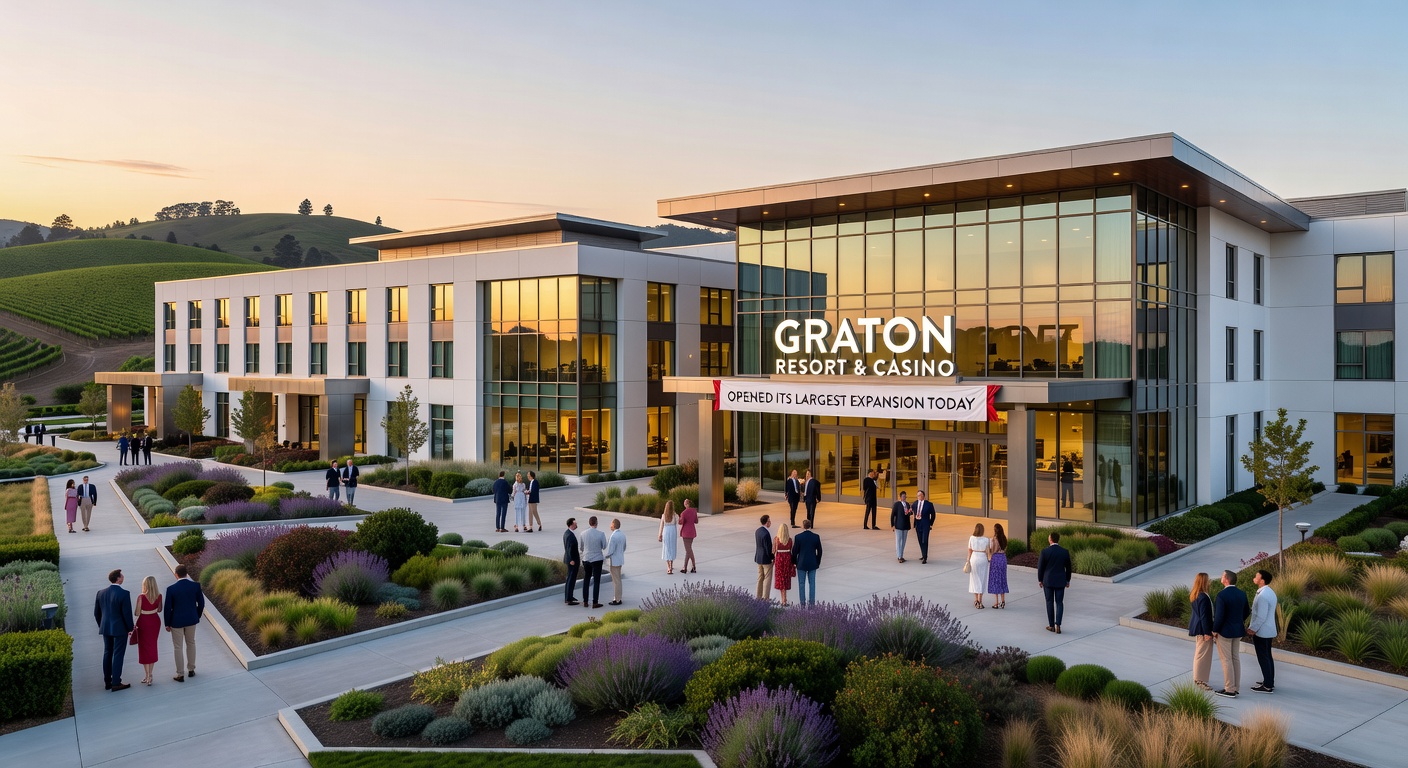
The Scotts Valley Band of Pomo Indians opened a temporary Class II gaming hall on its 128-acre trust land near Highway 37 in Vallejo, California, adn the modular facility began operations in a soft-launch format during July 2026. Bingo-style electronic gaming machines operate under the Indian Gaming Regulatory Act, while the tribe maintains municipal service agreements with the City of Vallejo and continues to await federal reconsideration of its restored-lands determination for a larger casino-resort project.Facility Location and Setup
The 128-acre trust land sits in a strategic position along Highway 37, which provides direct access routes for regional visitors. Construction crews assembled the modular structures on site to create a functional gaming space without permanent foundations, and the design allows for efficient setup and potential future adjustments. Observers note that this approach aligns with standard practices for temporary tribal gaming operations that seek to establish presence while larger plans advance through regulatory channels.
Class II Gaming Operations
The hall features bingo-style electronic gaming machines that qualify as Class II devices under federal guidelines, and these machines combine elements of traditional bingo with electronic interfaces that players activate through touchscreens. The Indian Gaming Regulatory Act governs all aspects of the operation, which means the facility avoids slot machines or other Class III games that would require a separate compact with the state. Data from the National Indian Gaming Commission shows Class II facilities have served as entry points for many tribes building experience before expanding into full resorts.
Municipal Service Agreements
City officials in Vallejo approved service agreements that outline how the tribe will handle utilities, emergency response, and road maintenance around the site, and these documents establish clear responsibilities for both parties during the temporary phase. The agreements also address traffic management and public safety measures, while payments from the tribe support local infrastructure needs. Those who've reviewed similar arrangements note that such pacts often form the foundation for ongoing cooperation between tribal governments and neighboring municipalities.
Soft-Launch Phase Details
Operations began quietly in July 2026 with limited hours and a gradual rollout of machines, allowing staff to test systems and refine customer service protocols before full capacity. By August 2026 the facility continues to run in this measured format, which gives the tribe time to monitor usage patterns and adjust staffing levels accordingly. The modular buildings house the gaming floor along with support areas for cash handling and player amenities, yet teh entire setup remains designed for relocation or expansion once federal approvals for the larger project move forward.
Restored-Lands Determination and Future Project
The tribe's request for restored-lands status covers the same 128-acre parcel and would clear the path for a full-scale casino-resort that includes hotel rooms, restaurants, and additional gaming options. Federal authorities have the matter under reconsideration, which means the temporary hall serves as an interim step while that process continues. According to records maintained by the National Indian Gaming Commission, restored-lands determinations involve detailed reviews of tribal history and land acquisition methods, and outcomes directly influence the scope of gaming that can occur on specific parcels.
Regulatory Context Under IGRA
All activity at the Vallejo site falls under the Indian Gaming Regulatory Act, which divides gaming into three classes and assigns oversight roles to tribal, state, and federal entities. Class II gaming receives primary regulation from tribal gaming commissions with oversight from the National Indian Gaming Commission, and this structure allows tribes to open facilities without state compacts when only bingo-style machines are involved. The current operation demonstrates how tribes can activate portions of their land while navigating the more complex approvals needed for Class III development.
Conclusion
The temporary gaming hall represents a measured step by the Scotts Valley Band of Pomo Indians as it establishes operations on trust land and prepares for potential larger development. Municipal agreements with Vallejo provide operational support, while the soft-launch format allows controlled testing of the Class II machines. Federal reconsideration of the restored-lands determination remains the key factor that will shape the tribe's next phase, and the modular facility stands ready to support either continued temporary use or transition into expanded plans.