Shifts in Tiered Incentive Structures Tied to Digital Spinning Devices and Real-Time Interaction Formats Across Licensed Platforms
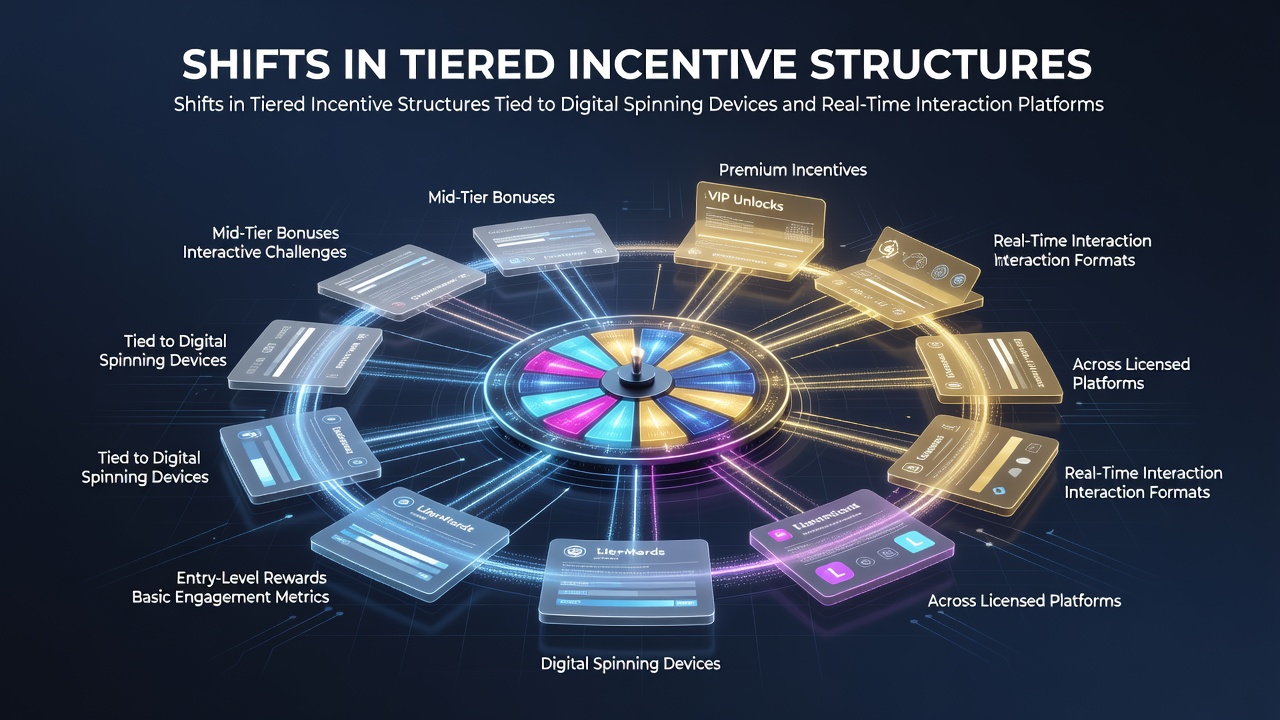
Operators across multiple jurisdictions have adjusted their loyalty frameworks to emphasize performance metrics tied specifically to digital spinning devices alongside real-time dealer sessions, and these changes reflect broader technological integration in licensed environments. Data from the first half of 2026 shows increased weighting toward session length in live formats while spinning device activity continues to drive base tier progression in many programs.
Evolution of Reward Tiers in Mobile and Desktop Environments
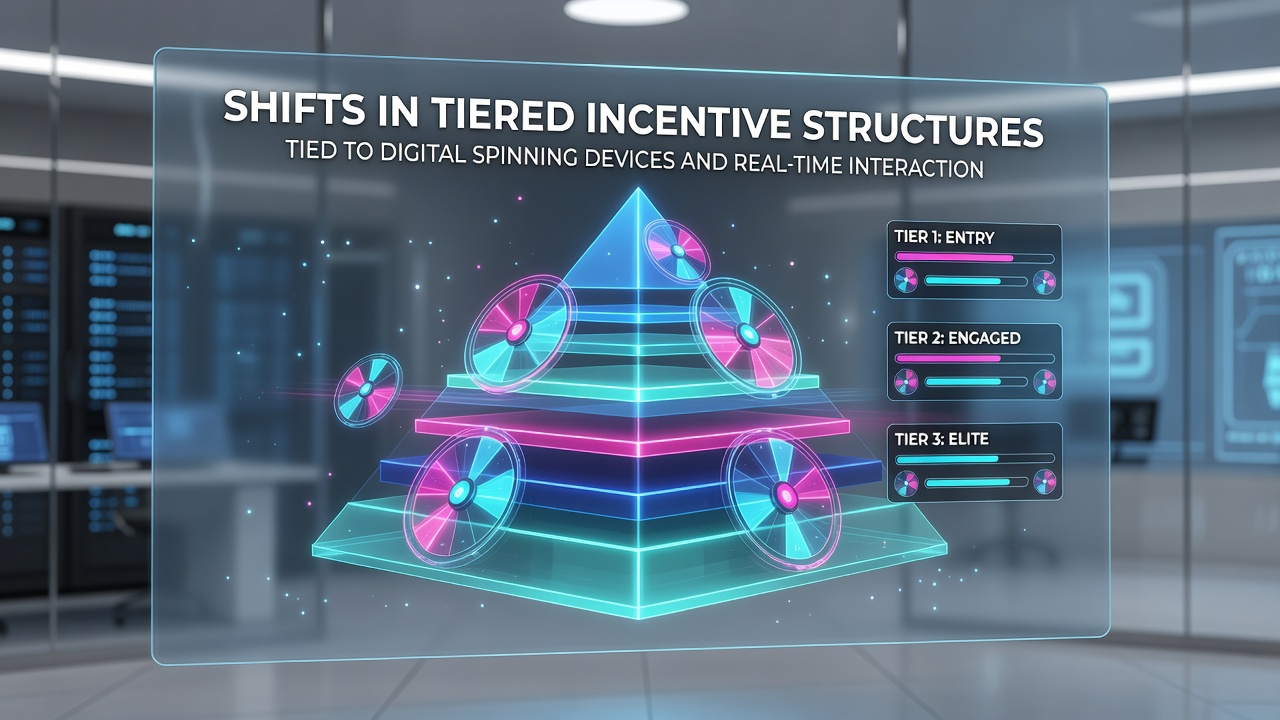
Licensed platforms have restructured their tier systems so that advancement now depends on combined activity across spinning devices and interactive tables rather than isolated metrics. Players accumulate points through reel spins at varying bet levels while simultaneous participation in live dealer games accelerates movement between bronze, silver, and gold categories. This dual-focus approach emerged as software updates allowed seamless switching between automated reels and streamed dealer tables without resetting progress trackers.
Integration of Real-Time Data Tracking
Real-time analytics engines now feed directly into incentive calculations on licensed sites, and operators monitor both spin frequency on digital devices and decision speed during live interactions to determine bonus eligibility. Systems record the number of spins completed per hour alongside average response times at blackjack or roulette tables, then apply weighted formulas that favor consistent engagement across both formats. Regulatory filings indicate that several North American and European platforms implemented these engines during the second quarter of 2026.
Regional Regulatory Influences on Structure Changes
Authorities in different regions have shaped how these tiered programs operate. The Nevada Gaming Control Board requires transparent disclosure of how live session data influences reward multipliers, while the Alcohol and Gaming Commission of Ontario mandates that tier benefits remain accessible through either spinning or interactive play alone. These rules prevent platforms from forcing exclusive focus on one format and maintain competitive balance across licensed operators.
One documented case involved a New Jersey licensed operator that introduced separate point multipliers for live dealer blackjack in July 2026 after reviewing internal play logs showing higher retention when real-time interaction rewards were elevated. The adjustment resulted in measurable shifts in tier distribution without altering the underlying spinning device contribution structure.
Technological Factors Driving Incentive Adjustments
Advances in cross-device synchronization have allowed platforms to link spinning device sessions directly to live table participation through unified player accounts. This connectivity enables instant recognition of tier status when a user transitions from mobile reels to desktop dealer streams, and many systems now apply progressive multipliers based on consecutive days of mixed-format activity. Industry reports note that such features reduce drop-off rates between different game categories while preserving the integrity of tier calculations.
Observed Patterns in Player Progression Data
Analysis of aggregated anonymized records from multiple licensed networks reveals that players reaching platinum tiers in 2026 demonstrate roughly equal distribution of activity between digital spinning devices and real-time formats. Earlier structures had shown heavier reliance on reel volume alone, yet current patterns indicate that live interaction volume now serves as a stronger predictor of sustained tier maintenance. These correlations appear in reports issued by research groups affiliated with the University of Nevada, Las Vegas gaming studies program.
Future Outlook Based on Current Implementation
Platforms continue testing dynamic tier resets that incorporate both spin velocity and live table engagement scores, and preliminary results from controlled rollouts suggest these methods maintain fairness across varying player preferences. Licensed operators monitor regulatory responses in additional jurisdictions while refining algorithms that balance the two primary activity types without favoring either exclusively.
Conclusion
The documented adjustments in tiered incentives across licensed platforms demonstrate a measurable integration of metrics from digital spinning devices and real-time interaction formats. These developments align with existing regulatory frameworks in multiple regions while responding to technological capabilities that track combined player behavior in real time. Continued observation of implementation outcomes through the remainder of 2026 will provide further data on how these structures perform under sustained operation.