Tracing Connections Between Instant Verification Systems and Enhanced Prize Opportunities in Portable Entertainment Networks
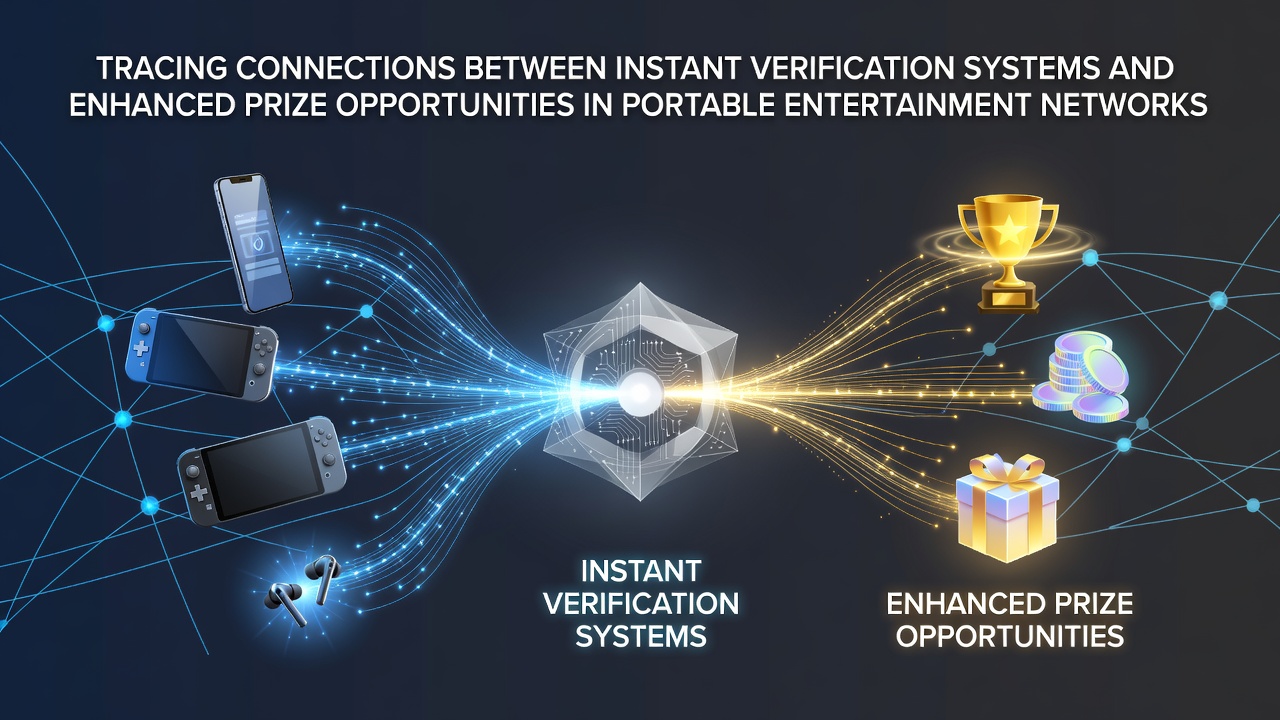
Data from industry reports shows that instant verification systems now integrate directly with mobile gaming platforms, allowing users to complete identity checks in seconds and immediately unlock access to expanded prize pools across portable networks. Observers note that these systems rely on biometric matching combined with encrypted data transfers, which then feed into reward algorithms designed to distribute spins, multipliers, and layered bonuses without traditional delays.
Verification Speed and Access to Prize Structures
Studies from regulatory bodies indicate that platforms using real-time verification protocols record higher rates of participation in progressive jackpot events, since users bypass manual review periods and move straight into active play sessions. This linkage appears in multiple markets where mobile apps connect verification outcomes to dynamic reward tiers, and figures reveal that completion times under 30 seconds correlate with increased entry into high-value tournaments held during summer expansion periods including July 2026 updates.
Those who track network performance point out that verification data streams feed directly into personalization engines, which adjust prize opportunities based on user history and current session metrics. The result is a seamless pipeline where approved accounts receive tailored multiplier events that scale with activity levels, and this pattern holds across both established operators and newer entrants in wireless entertainment spaces.
Technical Pathways Linking Checks to Rewards
Engineers have documented how API connections between verification services and backend reward servers enable automatic credit allocation once identity confirmation clears, eliminating separate approval steps that once separated users from bonus content. Research indicates these integrations support features such as instant spin packs and progressive reel access, which become available the moment the verification flag turns positive in the system database.
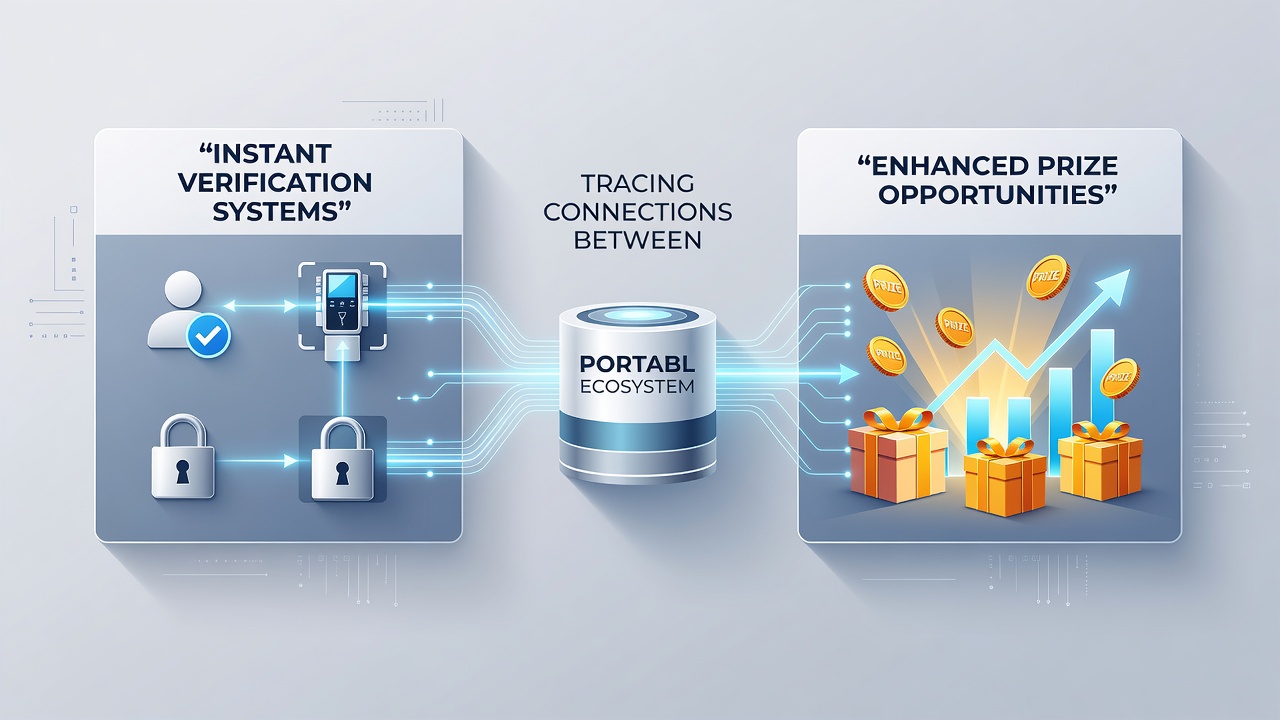
One documented case involved a North American network that implemented blockchain-assisted verification during early 2026, after which average prize redemption rates rose notably within the first quarter. Analysts attribute the shift to reduced friction between account creation and reward activation, and similar patterns surface in European markets where cross-platform compatibility standards allow verification records to travel with users across different portable entertainment providers.
Regional Developments and Network Expansion
According to data released by the American Gaming Association, mobile segments accounted for over 60 percent of total interactive gaming activity by mid-2026, with verification speed cited as a primary driver behind the shift toward enhanced prize structures. American Gaming Association reports further detail how operators now embed verification checkpoints at the onboarding stage to trigger immediate eligibility for time-limited events and accumulating reward ladders.
Additional findings from the Canadian Gaming Association show parallel trends in provinces that updated licensing rules ahead of July 2026, where networks reported faster onboarding translated into broader distribution of free-to-play tokens and real-money prize entries. These connections operate through standardized data protocols that maintain compliance while accelerating the path from verification to active participation.
Future Patterns in Portable Prize Allocation
Industry analysts tracking algorithmic updates note that verification systems increasingly incorporate machine learning elements to predict user value and pre-allocate prize opportunities before full sessions begin. This approach reduces wait times further and ties directly to the growth of interconnected mobile networks that share verification status across multiple entertainment titles.
Evidence from academic reviews at institutions such as the University of Nevada, Reno, suggests that these technical linkages produce measurable increases in session duration and prize claim frequency when verification completes without interruption. Networks continue refining these pathways to maintain regulatory alignment while expanding the range of available rewards in wireless formats.
Conclusion
Overall patterns demonstrate that instant verification functions as a gateway technology within portable entertainment networks, directly influencing the timing and scale of prize opportunities presented to users. Continued integration across regions points to sustained development of these connections through 2026 and beyond, supported by evolving technical standards and regional policy adjustments.